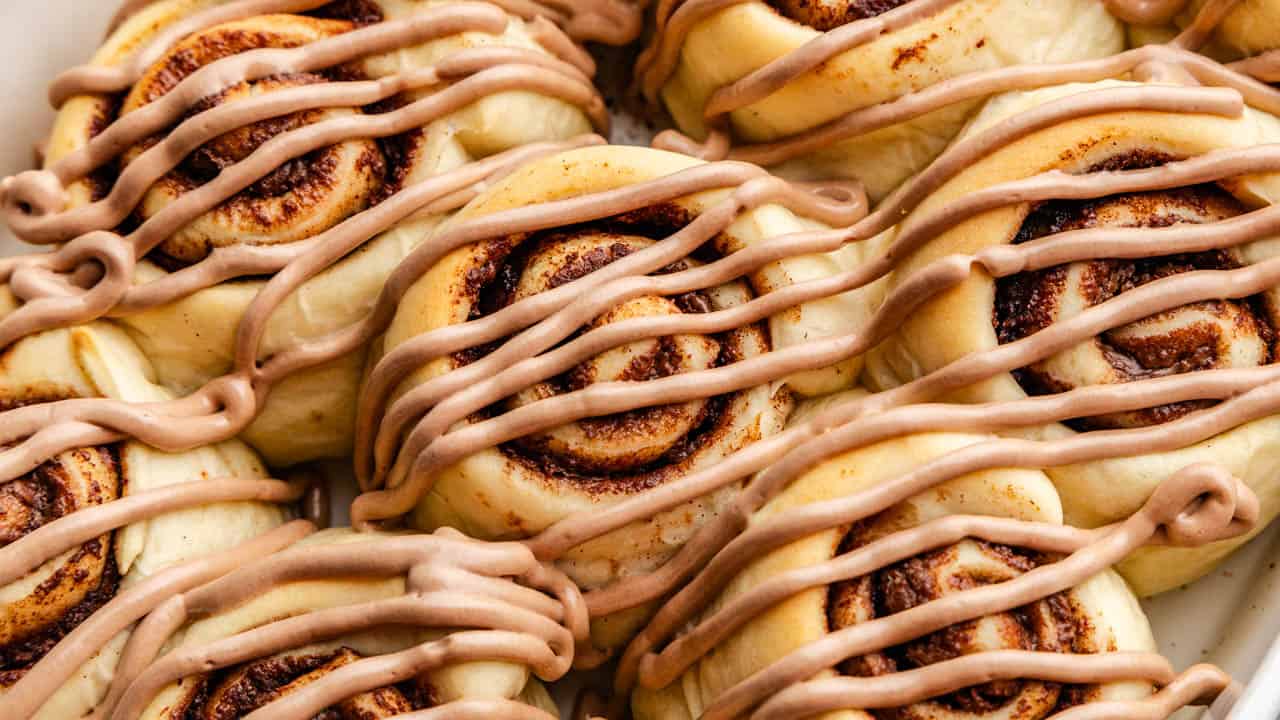
Homemade Nutella Cinnamon Rolls: Traditional vs. Quick Dough Guide
Few treats evoke as much comfort and sheer delight as freshly baked nutella cinnamon rolls. The mere thought of their warm, gooey centers, swirled with fudgy Nutella and aromatic cinnamon, topped with a luscious cream cheese frosting, is enough to make any sweet tooth tingle. But when it comes to bringing these irresistible pastries to life in your own kitchen, a common question arises: should you embark on the rewarding journey of a traditional yeast dough, or opt for a lightning-fast shortcut? This comprehensive guide will walk you through both paths, helping you decide which baking adventure is perfect for you.
The Irresistible Allure of Homemade Nutella Cinnamon Rolls
Whether you’re a seasoned baker or a kitchen novice, the appeal of homemade nutella cinnamon rolls is universal. They’re more than just a breakfast pastry; they’re a comforting indulgence, a special occasion treat, or simply a way to brighten any day. The combination of rich chocolate-hazelnut spread with spicy cinnamon is a match made in heaven, creating a depth of flavor that's both familiar and exciting. And while store-bought versions exist, nothing truly compares to the warmth, aroma, and melt-in-your-mouth texture of rolls pulled fresh from your own oven. They are, as many attest, highly addictive!
The Traditional Route: Pillowy Perfection with Yeast Dough
For those who cherish the process and crave that undeniably pillowy, elastic texture, the traditional yeast-based dough is the way to go. This method requires a bit more time and patience, but the results are truly unparalleled. It’s an act of love that yields an incredibly soft, rich dough that perfectly cradles its decadent filling.
Crafting Your Traditional Nutella Cinnamon Roll Dough
- Yeast Activation is Key: Begin by combining fresh yeast with lukewarm milk (around 105°F, or comfortably warm to the touch, never scalding hot). This crucial step "wakes up" the yeast, allowing it to become frothy within 5-10 minutes. A visibly foamy surface indicates your yeast is active and ready to make your rolls rise beautifully.
- The Initial Mix: In a stand mixer (or by hand), combine part of your flour, sugar, salt, melted butter, and an egg and yolk. The egg and yolk contribute to richness and a beautiful golden hue. Introduce your activated yeast mixture and mix until just combined, ensuring all ingredients are incorporated.
- Developing the Gluten: Gradually add the remaining flour. The magic happens during the kneading phase. With a dough hook attachment, knead on medium speed for about 10 minutes. The dough will transform from sticky to smooth and elastic, eventually pulling away from the sides of the bowl and forming a cohesive ball. If kneading by hand, transfer to a lightly floured surface and knead vigorously for the same duration until the dough feels smooth and springs back when pressed.
- The Windowpane Test: A professional trick to ensure your dough is properly kneaded is the "windowpane test." Take a small piece of dough and gently stretch it between your fingers. If it stretches thin enough to be translucent without tearing, your gluten has developed sufficiently, and the dough is ready for its first rise.
- First Rise: Place your dough in a well-greased bowl, turning it once to coat the top. Cover with a kitchen towel and let it rise in a warm, draft-free place until doubled in size, typically around an hour. A clever hack for a warm environment is to preheat your oven to 200°F, turn it off, and then place the covered dough inside.
Filling, Rolling, and Baking Traditional Rolls
- Prepare for Rolling: Once doubled, gently punch down the dough to release the air. Transfer it to a lightly floured surface and roll it out into a generous 12x18-inch rectangle. Resist the urge to add too much extra flour, as this can lead to dry, tough rolls.
- The Decadent Filling: Spread softened butter evenly over the dough, leaving a 1-inch border on all sides. Sprinkle generously with cinnamon, then carefully spread a luscious layer of Nutella, again leaving that crucial border. This border helps seal the roll.
- Tight Rolling is Key: Starting from one of the long edges, roll the dough very tightly into a log. A tight roll ensures beautiful spirals and prevents gaps in your finished rolls. Pinch the bottom seam firmly to seal.
- Precise Slicing: For perfectly uniform rolls, consider using unflavored dental floss. Slide it under the log, cross the ends over the top, and pull to create a clean cut. A very sharp knife or serrated knife also works. Aim for 12 even rolls.
- Second Rise & Bake: Arrange the sliced rolls in a parchment-lined or greased 9x13-inch baking pan, leaving a little space between each. Cover loosely and let them rise again for another hour, or until visibly doubled in size. This second proofing ensures maximum fluffiness. Bake in a preheated oven at 350°F for 20-25 minutes, until golden brown and irresistibly fragrant.
- Finishing Touch: While the rolls cool slightly, whip up a dreamy cream cheese frosting. Spread generously over the warm rolls for that classic gooey finish.
For a detailed, step-by-step traditional recipe, explore our Master Fluffy Nutella Cinnamon Rolls: Gooey Perfection Recipe.
The Quick Fix: Instant Gratification with Shortcut Dough
Sometimes, a craving for nutella cinnamon rolls strikes, and you simply don't have the hours (or the inclination) for yeast to do its magic. This is where the quick dough method shines! Utilizing pre-made dough, like canned crescent rolls, transforms a potentially lengthy baking project into a speedy, no-fuss treat that can be on your table in under 30 minutes.
Whipping Up Quick Nutella Cinnamon Rolls
- The Power of Pre-Made Dough: The secret to speed here is canned crescent roll dough. It's already prepared, pre-leavened, and ready to roll. Simply unroll the dough onto a clean surface. Many brands come in perforated triangles; you can often gently press these seams together to form a rectangle, or use them as individual rolls.
- Minimal Filling Prep: There's no need for softened butter and intricate layering. You can often skip the butter entirely for the filling if you desire, or just a light brush. Spread your luscious Nutella directly onto the dough. A sprinkle of cinnamon is optional but highly recommended to maintain that classic flavor profile.
- Roll, Slice, and Bake: Roll the dough up tightly, just as you would with traditional dough. Depending on the size of your crescent dough, you might make one large log or several smaller ones. Slice into desired thicknesses. Arrange them on a baking sheet and bake according to package directions, typically around 10-15 minutes, until golden and puffed.
- Simple Glaze: Instead of a multi-ingredient cream cheese frosting, a quick glaze is often used for these rolls. A simple mix of powdered sugar, milk, and a touch of vanilla extract comes together in seconds and drizzles beautifully over the warm rolls.
This shortcut is fantastic for busy mornings, unexpected guests, or when that intense craving simply can't wait. While the texture won't be identical to a yeast-risen roll, it offers a wonderfully soft, flaky alternative that's still utterly delicious.
For a super-speedy version, check out our Easy 30-Minute Nutella Cinnamon Rolls: No-Yeast Shortcut.
Traditional vs. Quick: Choosing Your Baking Adventure
Both methods result in delightful nutella cinnamon rolls, but they cater to different needs and expectations. Here’s a breakdown to help you choose:
Traditional Yeast Dough (The "From Scratch" Experience)
- Time Commitment: Approximately 2-3 hours (including rising times), plus baking.
- Effort Level: Moderate. Involves kneading, waiting for rises, and precise handling.
- Ingredients: Basic pantry staples (flour, yeast, sugar, milk, butter, egg) plus Nutella and cinnamon.
- Texture: Unrivaled pillowy softness, rich, fluffy, and slightly chewy due to gluten development. Deeply satisfying.
- Best For: Weekend projects, special brunches, when you want to impress, or when you simply love the process of baking from scratch.
Quick Dough (The "Instant Gratification" Method)
- Time Commitment: Less than 30 minutes from start to finish.
- Effort Level: Very Low. Essentially just unroll, spread, roll, slice, and bake.
- Ingredients: Canned crescent roll dough, Nutella, cinnamon (optional), and simple glaze ingredients.
- Texture: Lighter, flakier, and less dense than traditional rolls. Still soft and delicious, but distinct.
- Best For: Weekday cravings, last-minute treats, beginner bakers, or when time is of the essence.
Neither method is inherently "better"; they simply offer different experiences. The traditional method provides a deep sense of accomplishment and a superior texture for many, while the quick method delivers immediate gratification and convenience without sacrificing flavor entirely.
Essential Tips for Any Nutella Cinnamon Roll Adventure
- Don't Skimp on the Filling: Whether traditional or quick, a generous layer of Nutella and a good sprinkle of cinnamon are crucial for maximum flavor.
- Roll Tightly: A tight roll, regardless of dough type, will ensure beautiful spirals and keep your filling contained.
- Frosting/Glaze is Non-Negotiable: The topping truly elevates these rolls. Don't skip it!
- Serve Warm: While delicious at room temperature, these rolls are truly at their best served warm, allowing the Nutella to be slightly melted and gooey.
Conclusion
From the deeply satisfying journey of a traditional yeast-risen dough to the incredible speed of a quick crescent roll shortcut, homemade nutella cinnamon rolls are a treat worth making. Each method offers its unique rewards, catering to different schedules and baking preferences. So, whether you're dedicating a lazy Sunday morning to kneading and rising, or whipping up a weeknight indulgence in minutes, the joy of biting into a warm, gooey, Nutella-filled roll made with your own hands is an experience not to be missed. Choose your adventure, gather your ingredients, and prepare for a truly decadent treat!
